
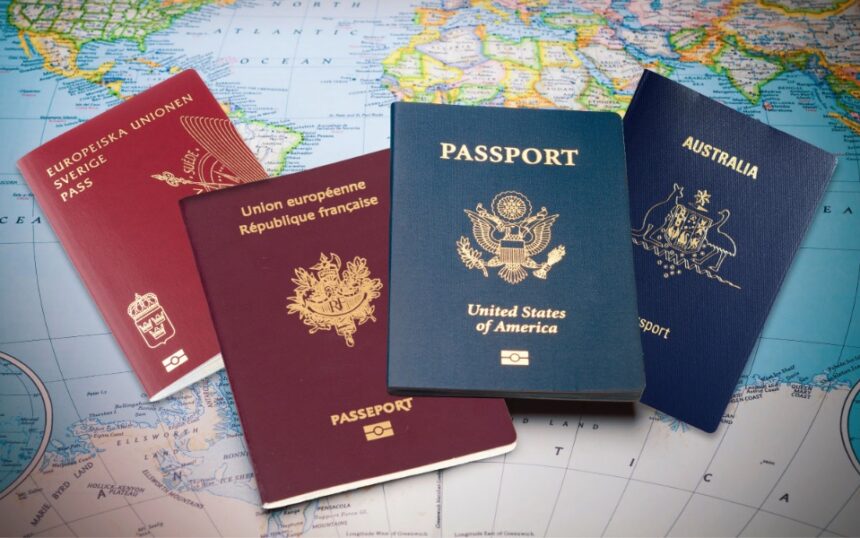
The strength of a passport largely determines how freely its holders can travel across international borders, with some countries possessing the weakest passports that offer limited global access.
According to the 2025 Henley Passport Index, passport power varies significantly across nations. While some passports grant visa-free entry to over 190 destinations worldwide, others struggle to reach even 30.
1. Afghanistan
Afghanistan remains at the bottom of the list. Ongoing conflict, political instability, and limited diplomatic recognition mean Afghan citizens need visas for nearly every destination. Only a handful of countries offer visa-free or visa-on-arrival access.
2. Syria
Years of war and international sanctions have left Syrians with one of the most restricted passports. Concerns over security and migration have made most nations tighten entry rules for Syrian travelers.
3. Iraq
Iraq’s mobility is still constrained by security risks and the lingering impact of regional instability. Despite some progress in foreign relations, most countries require pre-approved visas from Iraqi visitors.
4. Pakistan
Pakistan’s passport suffers from strict screening processes and regional tensions, especially with neighboring countries. The result is limited access to visa-free destinations, mainly within Asia and Africa.
5. Yemen
Ongoing civil war and humanitarian crises have pushed Yemen’s global mobility to one of the lowest in the world. Many countries impose heavy restrictions due to safety and verification concerns.
Read Also: FULL LIST: CAF unveils nominees for 2025 Awards
6. Somalia
Somalia’s lack of centralized governance and security threats make its passport one of the least trusted internationally. This leads to tight entry requirements almost everywhere.
7. Nepal
Nepal’s low ranking is less about conflict and more about weak diplomatic ties. With few bilateral visa agreements, Nepalese travelers face hurdles that limit their access to global destinations. Its low score is not tied to war or sanctions but rather to its limited diplomatic and economic influence.
8. Palestinian Territories
The Palestinian passport faces unique challenges tied to limited global recognition and complex political status. Travel often involves extensive security checks and additional paperwork.
9. Libya
Since the fall of its central government in 2011, Libya has struggled with internal division and violence. These issues make it difficult for citizens to travel freely abroad.
10. North Korea
Strict government control over movement, combined with heavy international sanctions, makes the North Korean passport one of the most restrictive in the world. Citizens need official permission even to leave their country.
Citizens of countries with weak passports face higher travel costs, limited job opportunities abroad, and complex visa processes.
For governments, improving a passport’s strength means fostering international cooperation, building stable governance, and negotiating reciprocal travel agreements.