
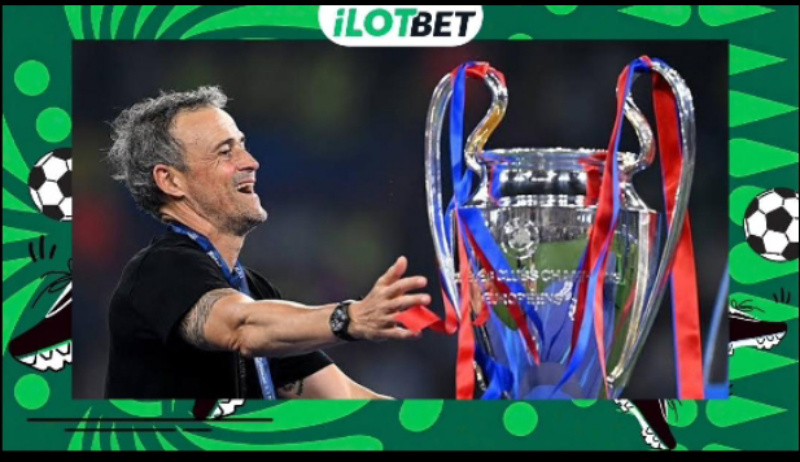
When Gabriel Magalhães’s penalty sailed over the Budapest crossbar on that tense May evening, the ensuing roar did not just signal Paris Saint-Germain’s retention of the UEFA Champions League. It marked the completion of the most sophisticated geopolitical image-rebrand in modern sporting history.
Only twelve months prior, the French champions had dismantled Inter Milan 5-0 to claim their maiden European Cup. Now, having defended their crown against Arsenal under the Hungarian night sky, they have secured their place in the pantheon of football’s true dynasties. Yet, the most remarkable triumph of Qatar’s Parisian project is not the silverware itself, but how easily the footballing world has agreed to stop talking about how they got it.
For nearly a decade, Paris Saint-Germain was the easiest punchline in European football. They were the gaudy superstar playground, a club that broke transfer records to sign Neymar and Kylian Mbappé, only to suffer agonizing, meme-worthy collapses in Europe.
They were the poster child of everything wrong with the state-funded era, tactically disjointed, spiritually hollow, and utterly dependent on the sheer individual genius of a volatile “bling-bling” roster. The general consensus was that money could buy domestic dominance, but it could never buy the soul, cohesion, or grit required to rule Europe.
Read Also: Onyekuru exits Genclerbirligi after contract termination
But then came the pivot. Faced with the departures of Lionel Messi, Neymar, and finally Mbappé, the hierarchy at the Parc des Princes quietly changed the playbook. Instead of replacing global superstars with equivalent commercial giants, they trusted Luis Enrique to build a high-pressing, aesthetically mesmerizing team out of elite young talents like Desire Doué, Kvaratskhelia, Vintinha, and João Neves. This shift from individualistic excess to collective harmony did something extraordinary: it gave a state-backed juggernaut the charm of an underdog.
This is where the true, terrifying success of sportswashing lies. By playing a brand of football that is so undeniably “fancy” and joy-inducing, PSG has achieved absolute normalization. The average neutral fan, once repulsed by the state-sponsored billions, now tunes in to admire Luis Enrique’s tactical fluidity and the tireless work-rate of homegrown Parisian youngsters.
The ethical questions regarding state ownership, geopolitical leverage, and financial dominance have been softly folded away, replaced by glowing columns praising the club’s “organic sporting project” and “brilliant squad building.”
The convenient amnesia of the footballing public is exactly what Qatar’s leadership envisioned when they purchased the club in 2011. They did not just buy a football team; they bought the narrative rights to the most popular sport on earth.
Now that the trophies have arrived in consecutive seasons, the foundation of unlimited state capital that made this transformation possible has been grandfathered into the sport’s landscape.
PSG are no longer viewed as the state-backed invaders of European football; they are simply its benchmark. Under the glittering lights of back-to-back European triumphs, the beautiful game has once again proven that if the football is beautiful enough, we will happily look the other way.
Who’s going to win the 2026/2027 UEFA Champions League trophy? Predict on iLOTBET and enjoy massive bonuses.