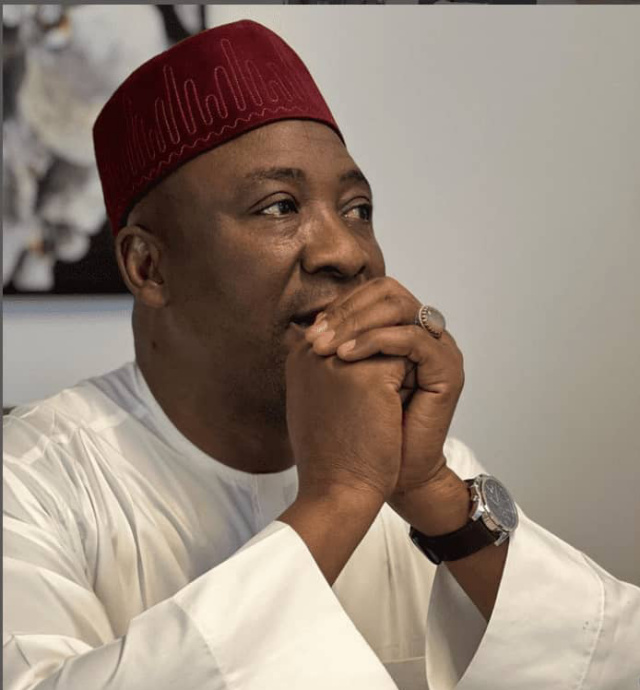
A member of the 4+4 Solidarity Forum and Chairman of the Langtang North Amateur Football Association (LAFA), Amb. Miri Timnan Nyantau, popularly known as M.T.N., has defended the leadership of the Nigeria Football Federation (NFF) under Alhaji Ibrahim Musa Gusau, describing the growing criticism against the federation as unfair and lacking proper context.
Nyantau made the remarks amid widespread public frustration following Nigeria’s failure to qualify for the 2026 FIFA World Cup, a setback that has triggered renewed calls for sweeping reforms within the country’s football administration.
Reacting to the wave of criticism, the football administrator said it was misleading to compare Nigeria’s football management with that of countries such as South Korea and Saudi Arabia, noting that both nations operate under significantly different conditions.
According to him, those countries enjoy stronger football structures, sustainable funding, and stable administrative systems that enable long-term planning and consistent development.
He argued that the NFF, on the other hand, is frequently forced to rely on last-minute government interventions to finance key football activities, a situation he described as a major obstacle to effective preparation and long-term success.
Nyantau stressed that achievements in football are built on proper planning, adequate funding, and technical continuity rather than emergency arrangements or reactionary decision-making.
He also rejected suggestions that the Ibrahim Musa Gusau-led administration should be judged as a complete failure because of Nigeria’s inability to secure a World Cup ticket.
According to him, such conclusions are driven more by emotion than by a careful assessment of the realities confronting football administration in the country.
The LAFA chairman maintained that Nigeria’s football challenges are deep-rooted and systemic, insisting that the problems extend far beyond the current leadership of the NFF.
He called on stakeholders and football supporters to focus on addressing the structural weaknesses affecting the sport instead of placing the blame solely on one administration.
Nyantau added that meaningful progress would require sustained investment, institutional reforms, and a long-term commitment to building a stronger football system capable of competing consistently on the global stage.